
Fatty Liver (Non-Alcoholic) - Expert Care in Faridabad
Fatty Liver (Non-Alcoholic)
Understanding Non-Alcoholic Fatty Liver Disease (NAFLD)
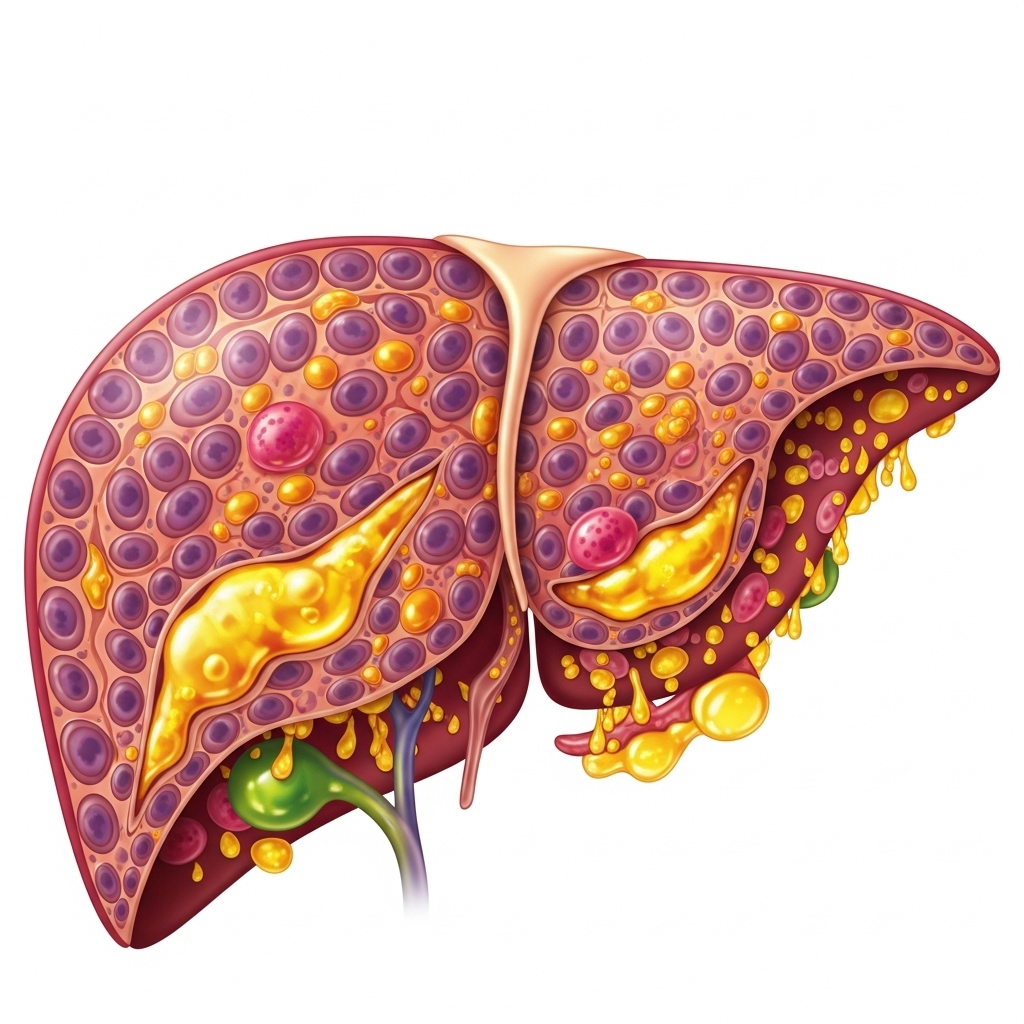
Non-Alcoholic Fatty Liver Disease (NAFLD) is a common condition characterized by the accumulation of excess fat in the liver cells of individuals who consume little to no alcohol. It is increasingly recognized as a significant public health concern, often associated with metabolic syndrome, including obesity, type 2 diabetes, high cholesterol, and high triglycerides.
What is NAFLD?
NAFLD encompasses a spectrum of liver conditions, ranging from simple fatty liver (steatosis), where there is fat in the liver but little or no inflammation or liver cell damage, to Non-Alcoholic Steatohepatitis (NASH). NASH is a more severe form of NAFLD where there is liver inflammation and liver cell damage, which can lead to fibrosis, cirrhosis (severe scarring of the liver), and, in some cases, liver cancer.
Causes and Risk Factors:
While the exact cause of NAFLD is not fully understood, it is strongly linked to:
- Obesity: Particularly abdominal obesity.
- Insulin Resistance: When the body's cells don't respond properly to insulin.
- Type 2 Diabetes: A strong correlation exists between type 2 diabetes and NAFLD.
- High Cholesterol and Triglycerides: Elevated levels of fats in the blood.
- Metabolic Syndrome: A cluster of conditions including high blood pressure, high blood sugar, excess body fat around the waist, and abnormal cholesterol or triglyceride levels.
Symptoms of NAFLD:
Often, NAFLD causes no symptoms in its early stages. When symptoms do occur, they can be non-specific and may include:
- Fatigue or weakness
- Dull or aching pain in the upper right abdomen
- Unexplained weight loss (in advanced stages)
- Jaundice (yellowing of skin and eyes, in severe cases)
Diagnosis and Treatment:
Diagnosis typically involves a physical exam, blood tests (liver function tests, lipid profile), imaging studies (ultrasound, CT scan, MRI), and sometimes a liver biopsy. The primary treatment for NAFLD focuses on managing the underlying risk factors and making lifestyle changes:
- Weight Loss: Even a modest weight loss can significantly reduce liver fat.
- Healthy Diet: Limiting processed foods, sugary drinks, and unhealthy fats. Emphasize fruits, vegetables, and whole grains.
- Regular Exercise: Helps in weight management and improves insulin sensitivity.
- Managing Diabetes and Cholesterol: Controlling blood sugar and lipid levels through diet, exercise, and medication if necessary.
- Avoiding Alcohol: Though not the primary cause, alcohol can worsen liver damage.
Why Choose Dr. Neeraj Dhar for Fatty Liver Treatment?
Dr. Neeraj Dhar is a highly experienced Gastroenterologist specializing in liver conditions, including Non-Alcoholic Fatty Liver Disease. He provides comprehensive care, from accurate diagnosis to personalized management plans that focus on lifestyle modifications and medical interventions when necessary. Dr. Dhar is committed to helping patients understand their condition and empowering them with the tools and guidance needed to improve liver health and prevent progression of the disease.
If you have concerns about fatty liver, or if you've been diagnosed with NAFLD, schedule a consultation with Dr. Neeraj Dhar to discuss a tailored treatment approach for your condition.