

GERD (Gastroesophageal Reflux Disease) - Effective Management
GERD (Gastroesophageal Reflux Disease)
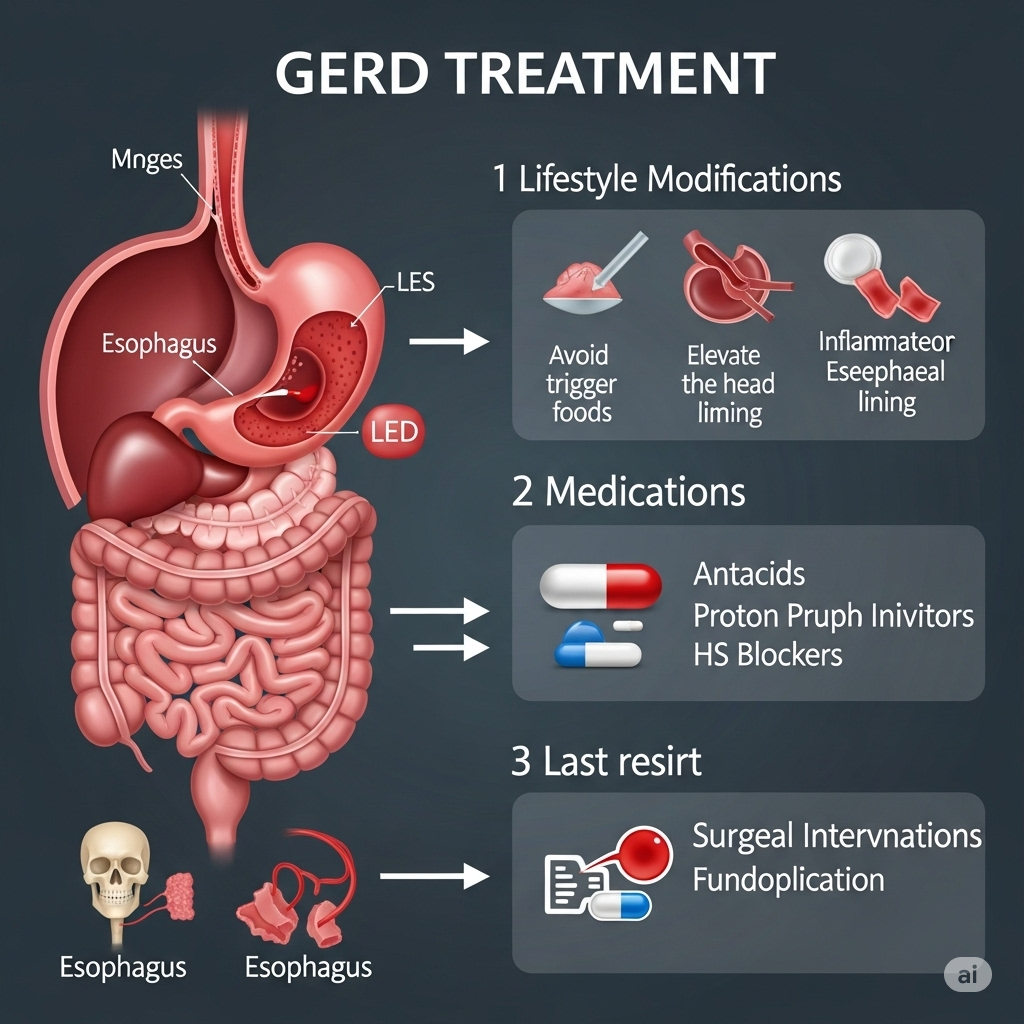
Understanding and Treating Gastroesophageal Reflux Disease (GERD)
Gastroesophageal Reflux Disease (GERD) is a chronic digestive disorder that occurs when stomach acid, or sometimes bile, flows back into the tube connecting your mouth and stomach (esophagus). This backwash (reflux) irritates the lining of your esophagus, causing symptoms like heartburn and regurgitation. If left untreated, GERD can lead to serious complications.
What is GERD?
Occasional acid reflux is common, but when it occurs frequently (more than twice a week) or becomes severe enough to interfere with your daily life or damage your esophagus, it is diagnosed as GERD. The primary cause is often a weakened or malfunctioning lower esophageal sphincter (LES), a ring of muscle that acts as a valve between the esophagus and the stomach, which is meant to prevent reflux.
Common Symptoms of GERD:
The most common symptoms include:
- Heartburn: A burning sensation in your chest, usually after eating, which might worsen at night or when lying down.
- Regurgitation: The backward flow of sour liquid or undigested food from the stomach into the throat or mouth.
- Chest pain.
- Difficulty swallowing (dysphagia).
- Sensation of a lump in your throat (globus sensation).
Other symptoms that may indicate GERD (especially "atypical" symptoms) include:
- Chronic cough.
- Laryngitis or hoarseness.
- New or worsening asthma.
- Disrupted sleep.
- Dental erosion.
Causes and Risk Factors:
GERD is often caused by factors that weaken or relax the LES or increase pressure on the stomach:
- Hiatal Hernia: A condition where the top part of the stomach pushes up through the diaphragm into the chest.
- Obesity: Excess abdominal fat puts pressure on the stomach.
- Pregnancy: Hormonal changes and increased abdominal pressure.
- Smoking: Nicotine can relax the LES.
- Certain foods and drinks: Fatty or fried foods, spicy foods, caffeine, alcohol, carbonated beverages, chocolate, peppermint, and citrus fruits.
- Large meals or eating before bedtime.
- Certain medications: Such as aspirin, ibuprofen, some muscle relaxers, or blood pressure medications.
Diagnosis of GERD:
Diagnosis usually begins with a review of your symptoms and medical history. Dr. Dhar may recommend additional tests to confirm the diagnosis, assess severity, or rule out other conditions:
- Endoscopy: To examine the esophagus for inflammation or damage.
- pH monitoring: To measure how much acid is refluxing into your esophagus and for how long.
- Esophageal manometry: To measure the strength and coordination of esophageal muscle contractions and LES function.
Treatment and Management:
Treatment for GERD typically involves a combination of lifestyle changes, medications, and in some cases, procedures:
- Lifestyle Modifications:
- Maintain a healthy weight.
- Avoid trigger foods and drinks.
- Eat smaller, more frequent meals.
- Don't lie down immediately after eating (wait at least 2-3 hours).
- Elevate the head of your bed by 6-8 inches.
- Quit smoking.
- Limit alcohol consumption.
- Medications:
- Antacids: For quick, temporary relief.
- H2-receptor blockers: Reduce acid production (e.g., famotidine).
- Proton Pump Inhibitors (PPIs): Stronger medications that block acid production and allow the esophagus to heal (e.g., omeprazole, pantoprazole).
- Surgical or Endoscopic Procedures: For severe GERD that doesn't respond to medications, or when complications arise, procedures like fundoplication or LINX device implantation may be considered to strengthen the LES.
Why Choose Dr. Neeraj Dhar for GERD Treatment?
Dr. Neeraj Dhar is a highly respected Gastroenterologist in Faridabad with extensive experience in diagnosing and managing GERD. He provides a thorough evaluation, utilizing advanced diagnostic tools when necessary, to formulate a personalized treatment plan that addresses your specific symptoms and underlying causes. Dr. Dhar is committed to helping patients achieve long-term relief from GERD symptoms, prevent complications, and improve their digestive health and overall quality of life through comprehensive and compassionate care.
If you are experiencing persistent heartburn or other symptoms of GERD, don't delay seeking medical advice. Consult Dr. Neeraj Dhar for an accurate diagnosis and effective management plan.