
Upper Gastrointestinal Endoscopy (OGD) - Diagnostic & Therapeutic
- Advanced Endoscopy
- Upper GI Endoscopy
- Lower GI Endoscopy (Colonoscopy)
- ERCP (CBD Stone Removal / Stenting)
- EUS Guided Procedures (FNA/FNB, Drainage)
- Single / Double Balloon Enteroscopy
- Esophageal / Antral Stenting
- Esophageal & Anorectal Manometry
- Foreign Body Removal
- PEG Tube Placement
- POEM (Peroral Endoscopic Myotomy)
- STER (Submucosal Tunneling Endoscopic Resection)
- ESD (Endoscopic Submucosal Dissection)
- EMR (Endoscopic Mucosal Resection)
- Spyglass for Pancreatic Biliary Pathology
- Gastrointestinal Bleeding
- Biliary & Pancreatic Stenting
- Anti Reflux Procedures
Upper Gastrointestinal Endoscopy (OGD)
Upper Gastrointestinal Endoscopy (OGD): Comprehensive Examination of the Upper Digestive Tract
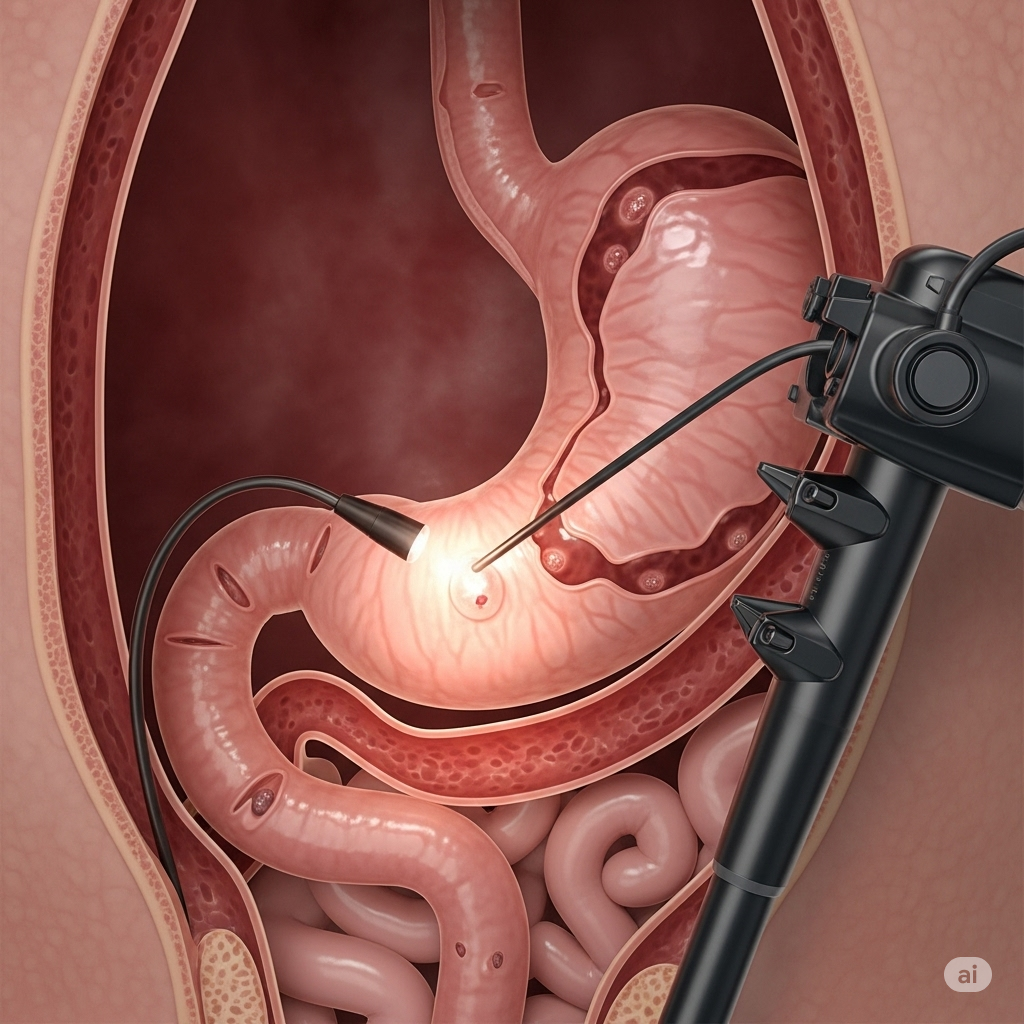
Upper Gastrointestinal Endoscopy, commonly known as OGD (EsophagoGastroDuodenoscopy) or Gastroscopy, is a diagnostic and therapeutic procedure used to examine the lining of the upper part of your digestive system. This includes the esophagus (swallowing tube), stomach, and the first part of the small intestine (duodenum).
What is Upper GI Endoscopy?
During an OGD, Dr. Neeraj Dhar uses a thin, flexible tube called an endoscope, which has a light and a tiny camera at its tip. This scope is gently passed through your mouth, down your throat, and into your upper digestive tract. The camera transmits real-time images to a video screen, allowing the doctor to meticulously examine the internal lining for abnormalities, diagnose conditions, and even perform minor therapeutic interventions.
Why is an Upper GI Endoscopy Performed? (Indications)
An OGD is recommended for a variety of reasons, including:
- Diagnosing Symptoms: Investigating persistent symptoms such as heartburn, acid reflux (GERD), difficulty swallowing (dysphagia), abdominal pain, nausea, vomiting, or unexplained weight loss.
- Detecting Bleeding: Identifying the source of gastrointestinal bleeding (e.g., ulcers, varices) and, in many cases, stopping the bleeding.
- Screening and Surveillance: Monitoring conditions like Barrett's esophagus (a precancerous condition), or following up on previously detected abnormalities.
- Biopsy: Taking tissue samples (biopsies) for laboratory analysis to diagnose conditions like Celiac disease, Helicobacter pylori infection, inflammation, or cancer.
- Therapeutic Interventions: Performing procedures such as:
- Removing polyps or small tumors.
- Dilating narrowed areas (strictures) of the esophagus or stomach.
- Treating bleeding ulcers.
- Ligating esophageal varices (enlarged veins) to prevent or stop bleeding.
- Removing foreign bodies that have been swallowed.
Preparation for the Procedure:
Proper preparation is crucial for a safe and effective endoscopy:
- Fasting: You will need to fast for at least 6-8 hours before the procedure (no food or drink) to ensure your stomach is empty.
- Medication Review: Inform Dr. Dhar about all your medications, especially blood thinners, insulin, or other diabetes medications, as adjustments may be needed.
- Arranging for a Ride: Since you will receive sedation, you must arrange for someone to drive you home after the procedure and stay with you for a few hours.
What to Expect During the Procedure:
- You will typically receive conscious sedation intravenously to help you relax and feel comfortable, often making you drowsy. A local anesthetic spray may also be applied to your throat.
- You will lie on your side, and a mouth guard will be placed to protect your teeth.
- Dr. Dhar will gently insert the endoscope. You may feel some pressure, but it should not be painful. You can breathe normally throughout the procedure.
- The procedure usually takes 15-30 minutes, depending on whether any interventions are performed.
Recovery and Post-Procedure Care:
- After the endoscopy, you will be monitored in a recovery area until the effects of sedation wear off.
- You may experience a mild sore throat, bloating, or gas, which typically resolve quickly.
- Once fully alert, you can usually resume a light diet as advised.
- It's important to avoid driving, operating machinery, or making important decisions for the rest of the day due to the lingering effects of sedation.
Why Choose Dr. Neeraj Dhar for Upper GI Endoscopy?
Dr. Neeraj Dhar is a leading gastroenterologist in Faridabad with extensive experience in performing a high volume of diagnostic and therapeutic upper GI endoscopies. He uses state-of-the-art endoscopic equipment and follows the highest safety and sterilization protocols. Dr. Dhar's expertise ensures accurate diagnosis and effective management of various upper GI conditions, providing his patients with compassionate care and optimal outcomes. His focus on patient comfort and clear communication throughout the process sets him apart.
If you are experiencing symptoms related to your upper digestive tract or require an endoscopic evaluation, consult Dr. Neeraj Dhar for expert care and precise diagnostic services.